Beyond the Cut: Why Efficient Slag Removal is Critical for Metal Fabrication
In the metalworking industry, high-temperature cutting processes like plasma and flame (oxyfuel) cutting are essential for shaping heavy plate and metal parts. However, these methods inevitably leave behind an unwelcome byproduct: slag.
While it might be tempting to simply grind it away and move on, experienced fabricators know that how you remove slag dictates the overall quality, safety, and cost-efficiency of the entire production line. At ADV Grinding, we understand the physics of slag removal. Here is a comprehensive look at why slag removal matters and the most economical way to handle it.
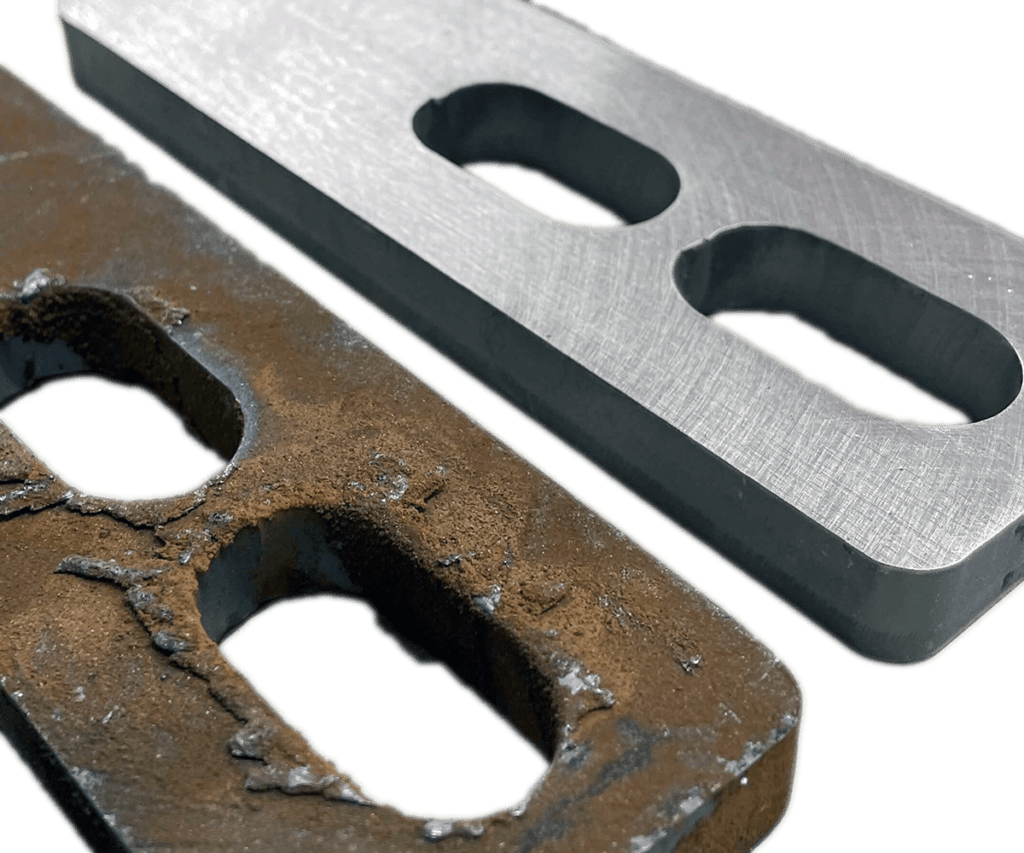
According to industry definitions, slag is a byproduct that forms along the edges of metal parts after high-temperature cutting processes. It is typically a hardened layer of oxidized material, metal particles, or flux residue that aggressively adheres to the edges or surfaces of the metal.
Slag appears after plasma cutting, flame cutting, and even some welding operations. When the high heat reacts with the metal and cutting gases, it leaves behind a rough, hardened residue that compromises the integrity of the workpiece.
The 4 Core Advantages of Proper Slag Removal
Leaving slag on heavy plate and metal parts is a costly mistake. Removing it provides immediate, tangible benefits:
Increased Safety for Employees and Machines: Slag is notoriously sharp. If left intact, it can cause severe lacerations during material handling. Furthermore, slag can chip and fall off during downstream fabrication processes—such as precision leveling or press braking—causing catastrophic damage to expensive machinery.
Improved Welding Results: Slag along the cutting edges of heavy plate impairs the quality of weld seams. By removing the slag, you create a cleaner surface, which drastically improves weld seam quality and structural integrity.
Corrosion Protection: Slag is porous and absorbs moisture, which is a primary catalyst for corrosion. Removing the slag protects the raw surface against environmental influences like rust along the edges.
Aesthetics: A clean edge is a professional edge. Removing slag smooths the surface along the cutting edges, resulting in a more attractive, finished appearance for metal parts.
Grinding vs. Chipping: Why Grinding Slag is Inefficient
Many workshops default to grinding off slag. However, from an engineering and economic standpoint, grinding off slag does not make sense for two major reasons:
Incomplete Removal: Grinding cannot completely remove the slag. It only removes it up to a certain level, while the rest is physically pressed into the base material.
Massive Abrasive Costs: Grinding slag is a slow, laborious process. It consumes an enormous amount of abrasives (sandpaper belts or blocks), leading to highly inflated consumable costs.
The Preferred Method: Chipping with Carbide Pins (Slag Hammers)
Instead of grinding, the most economical and effective method is to literally chip the slag off the metal parts.
This robust procedure utilizes discs equipped with carbide pins (often called slag hammers). These pins rotate and oscillate across the metal parts at high speed. Instead of grinding the slag down, the pins strike the side of the slag, breaking it cleanly off the cutting edge.
To prevent unwanted movement and ensure precision, the parts are securely held down by rollers while the pins work. Various tool designs are available—for instance, stiffer pins can be used for tougher, heavily adhering slag.
The ADV Grinding Solution: The ADV 508 Series
For manufacturers looking to eliminate the bottleneck of post-cut cleanup, ADV offers the ultimate solution.
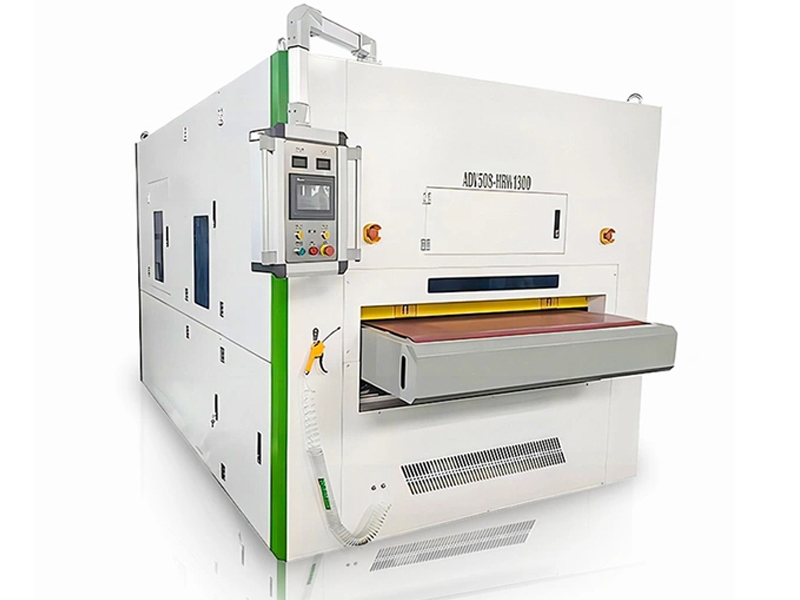
The ADV 508 H or ADV 508 Y Units are the experts in mechanical slag removal. These machines use specialized discs outfitted with metal pins to rapidly knock the slag off.
Why choose the ADV 508 Series?
No Dust Extraction Needed: Because you are physically knocking the slag off rather than grinding it into dust, there is no need for expensive and bulky dust extraction systems.
Unmatched Economy: By eliminating high abrasive costs and drastically speeding up the process, this method is much more economical than traditional grinding.
Why is Slag Removal Necessary After Flame and Plasma Cutting?
Ultimately, removing slag is a critical step in manufacturing because leaving it on the metal parts compromises part quality. It leads to severe issues during welding, bending, and assembly. Protecting your workers from sharp edges and protecting your downstream equipment from falling debris are just added bonuses.
Stop wasting money on grinding belts. Upgrade your fabrication process with ADV Grinding. Explore our ADV 508 series today and discover the power of precision slag chipping.